Life Science — Life Cycles | Unit 1, Lesson 4 of 6
📚 Grade: 3rd Grade⏱️ Duration: 45–60 minutes🔬 Subject: Life Science — Life Cycles
1. Egg
2. Caterpillar / larva
3. Chrysalis / pupa
4. Adult butterfly
A butterfly's body changes dramatically through four visible stages of metamorphosis.
📋 NGSS Standard: 3-LS1-1 — Develop models to describe that organisms have unique and diverse life cycles but all have in common birth, growth, reproduction, and death.
🎯 Learning Objective
Students will compare animal life cycles and explain how metamorphosis and gradual growth can both fit the same shared life-cycle pattern.
💡 The Big Idea
Animal life cycles can look very different from one another. Some animals hatch from eggs, some are born live, and some go through metamorphosis, which means their bodies change a lot as they grow. Even with those big differences, animal life cycles still follow the same big pattern.
🔬 The Science
Science Snapshot
Metamorphosis shows that life-cycle stages can have very different bodies and jobs.
What is happening?
Animal life cycles can include gradual growth or dramatic metamorphosis. In metamorphosis, the body changes substantially between stages because different stages can solve different survival problems.
Why it works that way
A caterpillar is specialized for eating and growing, while an adult butterfly is specialized for flight and reproduction. Tadpoles and frogs also show how structure and habitat can change across a life cycle.
Look for this in the lesson
Students should notice that a dramatic change does not mean the organism became something unrelated. It is still the same organism moving through its life cycle.
Ask while you read: Why might it help an organism to have different body forms at different life stages?
🖼️ Butterfly and Frog Cycle Images
Butterfly: complete metamorphosis
EggEmbryo develops.
Caterpillar / larvaEats and grows.
Chrysalis / pupaBody reorganizes.
AdultFlies and reproduces.
Read the pictures left to right: each image shows a distinct body form and a different job.
Frog: body form and habitat change
EggsDevelop in water.
TadpoleTail and gills help it live in water.
FrogletLegs grow; tail shrinks.
Adult frogCan reproduce.
Read the pictures left to right: the frog changes from a water-living tadpole into a four-legged adult.
Concise instructor help: Show one image at a time. Ask, “What body part appeared, disappeared, or changed?” Then name the stage. Define metamorphosis as a major change in body form during development—not magic and not a new animal. Contrast it with gradual growth by asking whether a young bird keeps the same basic body plan as it grows.
Materials
🏠 Household Items to Gather
Printed lesson pages and worksheet
Scissors, pencil, and colored pencils
Butterfly and frog image cards included below
📋 Printables
Student worksheet
Eight supportive image cards: four butterfly stages and four frog stages
Let's Get Started
Step 1 — Preview the image evidence (5 min) Place the butterfly cards in order. Ask students to name one visible change between every pair of pictures.
Step 2 — Investigate butterfly metamorphosis (10 min) Match each stage to its job: egg develops, larva eats, pupa changes body form, and adult reproduces.
Step 3 — Investigate frog metamorphosis (10 min) Order the frog cards. Have students point to evidence for a growing leg, shrinking tail, and changing habitat.
Step 4 — Compare with gradual growth (10 min) Sketch a hatchling and adult bird. Students explain why the bird's body plan stays more similar even though it grows.
Step 5 — Model and explain (10 min) Students use the worksheet to order one cycle, label the major body changes, and explain how the adult begins a new generation.
Discussion Questions
What is metamorphosis?Look for answers like: a big body change between stages, such as caterpillar to butterfly or tadpole to frog.
How is a butterfly different from a bird?They might say a butterfly goes through metamorphosis, while a bird grows more gradually.
What do frogs, butterflies, and birds all have in common?All of them begin life, grow, reproduce, and die.
Why can two very different animal life cycles still belong in the same unit?Because the unit is about the shared pattern of life cycles, not every animal having the same stage names.
Where does reproduction happen in an animal life cycle?In the adult stage, when the organism can make offspring or eggs that begin a new cycle.
Extensions
Extra comparison: Add an insect that does not use a chrysalis, or compare a frog to a salamander.
Parent/Teacher Notes
Teaching move: Keep students from treating metamorphosis like a magic trick. Emphasize that it is a real pattern of growth and development.
Important misconception to catch: Students may think only animals with dramatic changes have life cycles. Remind them that gradual growth is also a life cycle pattern.
✂️ Printable Butterfly and Frog Image Cards
Cut on the dashed borders. Mix one animal set, then order it and describe the visible change between neighboring cards.
2️⃣ Metamorphosis or Gradual Growth? — Sample Ideas
Butterfly: yes, changes a lot; clue = caterpillar and butterfly look very different. Frog: yes, changes a lot; clue = tadpole has a tail and adult frog has legs. Bird: no, more gradual; clue = the young bird looks more like a smaller version of the adult.
3️⃣ Show the Shared Pattern — Accepted Answers
Students should identify a beginning stage, growth stages, an adult stage where reproduction happens, and eventual death.
4️⃣ Explain with Evidence — Model Response
“My model shows that a butterfly begins as an egg, grows through several stages, becomes an adult that can reproduce, and then dies.”
✅ What Success Looks Like
Student can order an animal life cycle correctly.
Student can explain metamorphosis in kid-friendly language.
Student can identify where reproduction appears in the chosen animal.
Student can distinguish a dramatic change from a more gradual one using evidence from stages.
🛠️ Troubleshooting / Teaching Notes
If students think metamorphosis means “a completely different animal,” remind them it is the same organism in different stages.
If students say a bird has no life cycle because it changes less, ask them to track egg, hatchling, adult, and offspring.
🥼
This is a preview. Unlock the full lesson.
You're seeing a preview. Full-library access is not live yet. For now, browse the live store products and free sample lessons while the larger subscription offer stays in Coming Soon. Live now: free samples + Kitchen Chemistry.

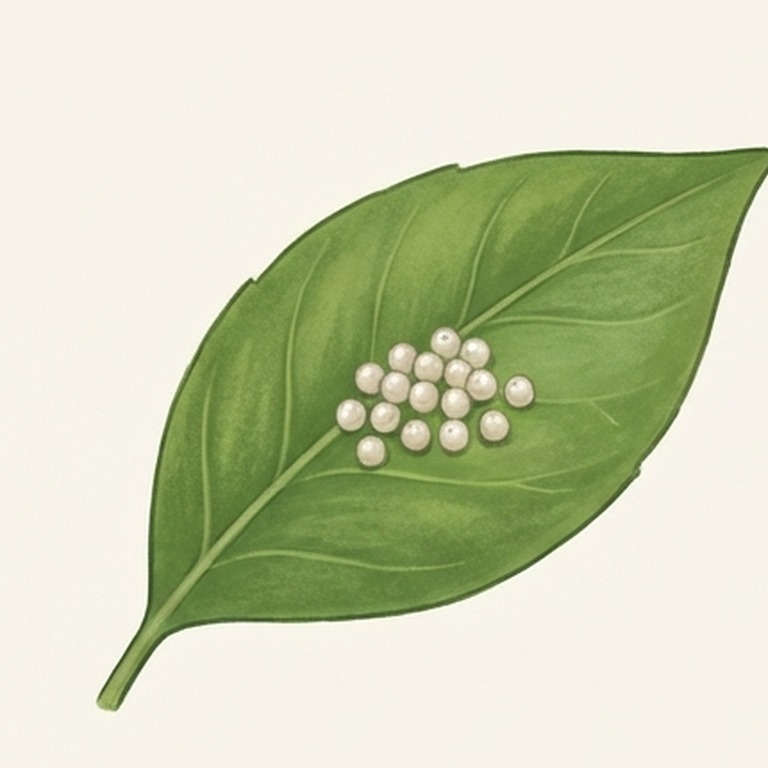 1. Egg
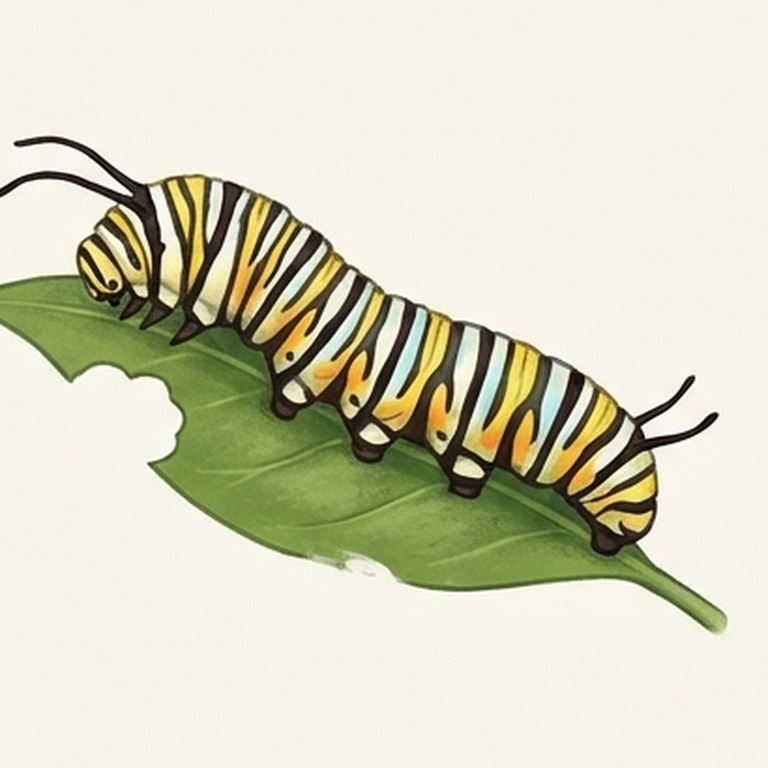 2. Caterpillar / larva
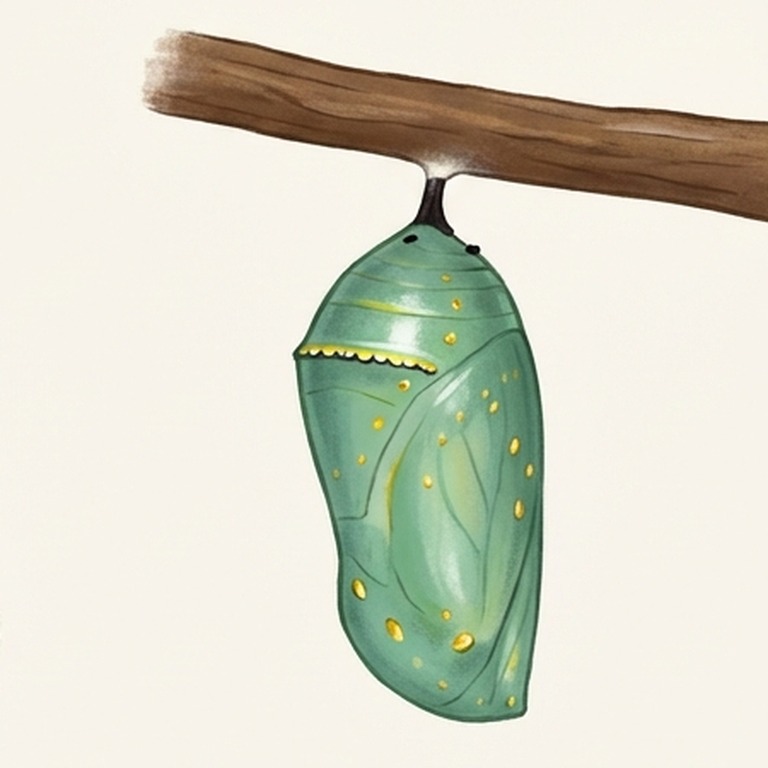 3. Chrysalis / pupa
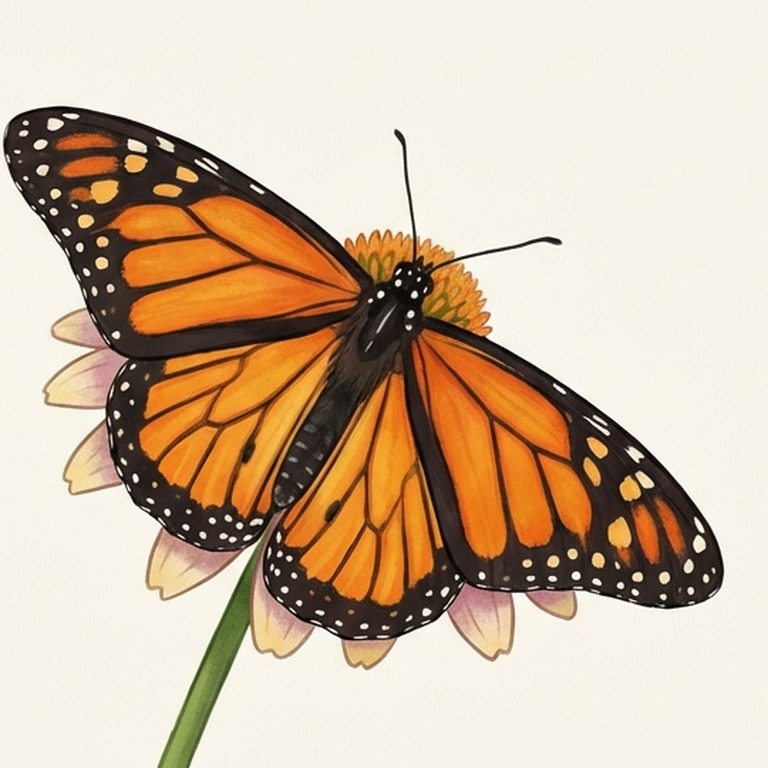 4. Adult butterfly
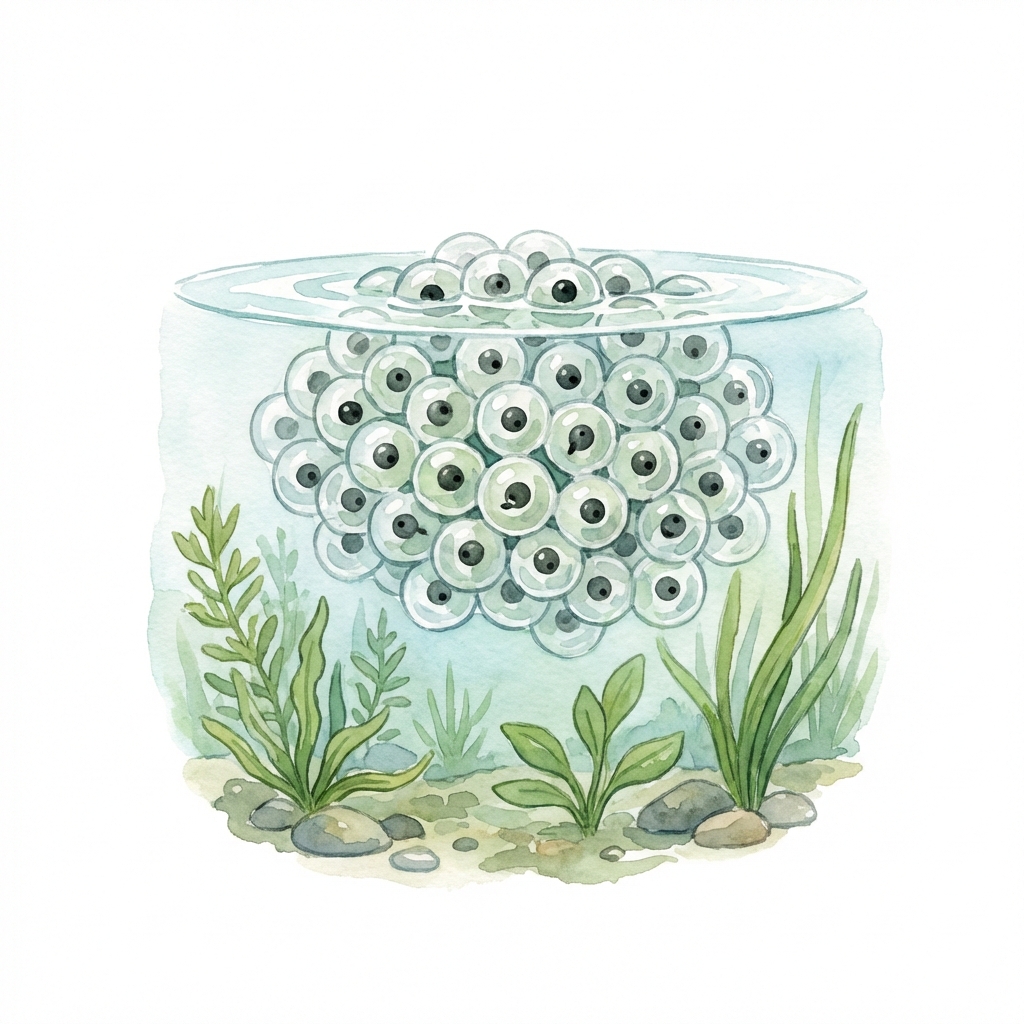 EggsDevelop in water.
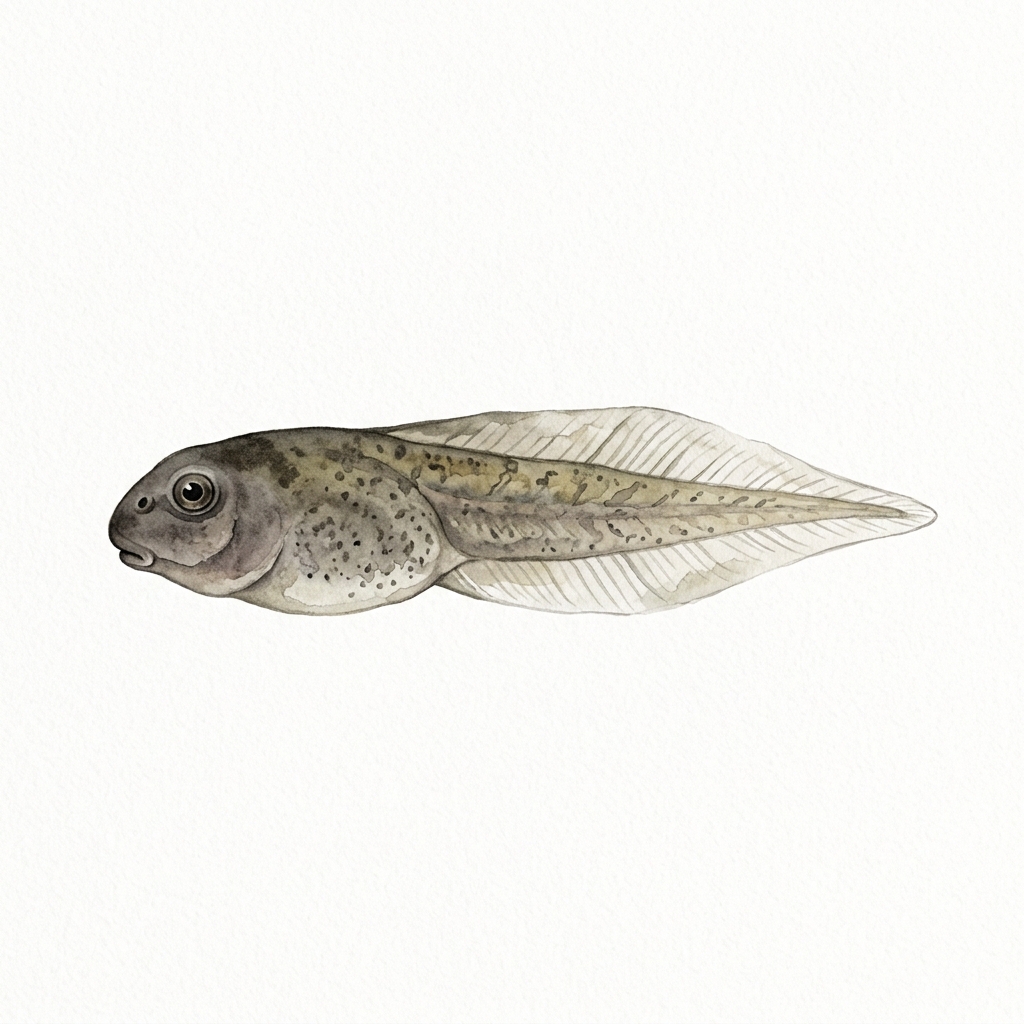 TadpoleTail and gills help it live in water.
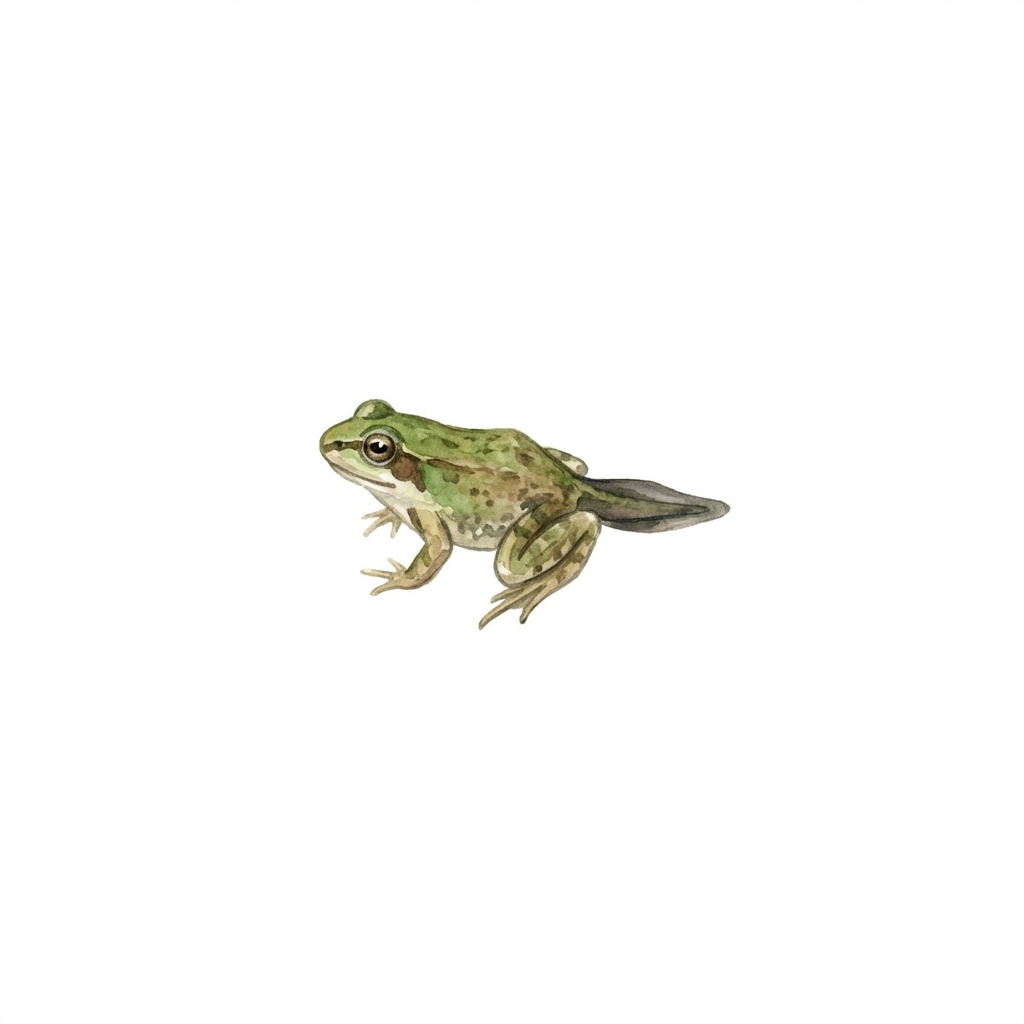 FrogletLegs grow; tail shrinks.
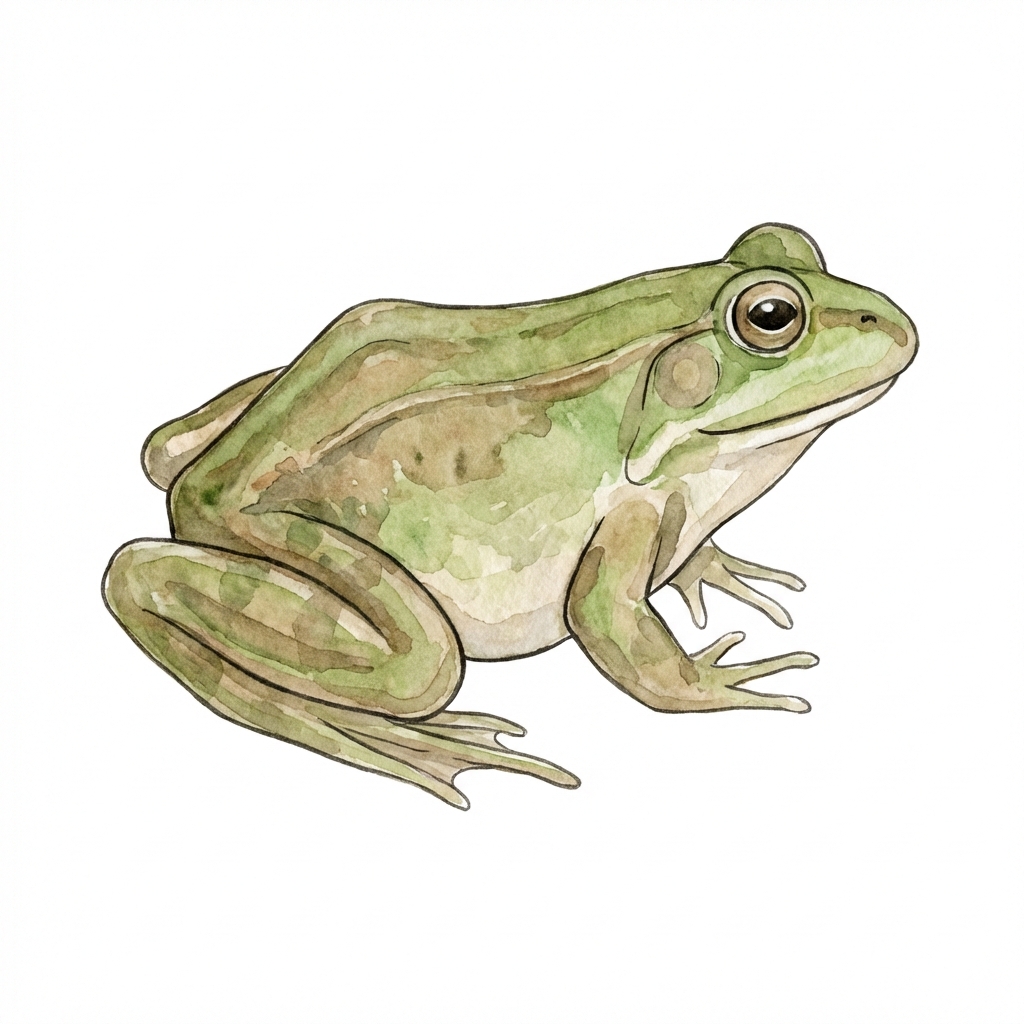 Adult frogCan reproduce.