Life Science — Life Cycles — Unit 1, Lesson 1 of 6
📚 Grade: 3rd Grade⏱️ Duration: 45–55 minutes🔬 Subject: Life Science — Life Cycles
One big pattern
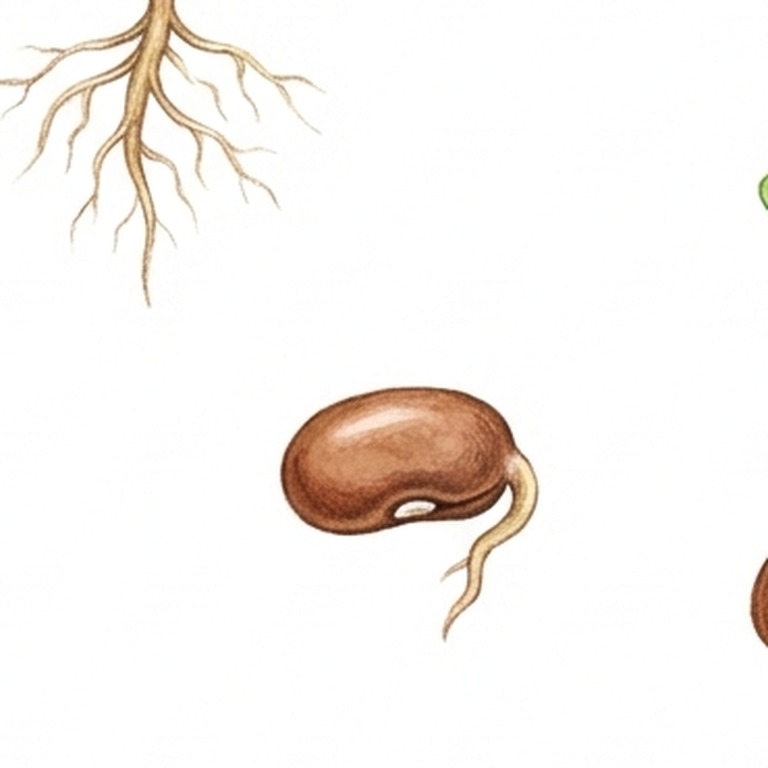
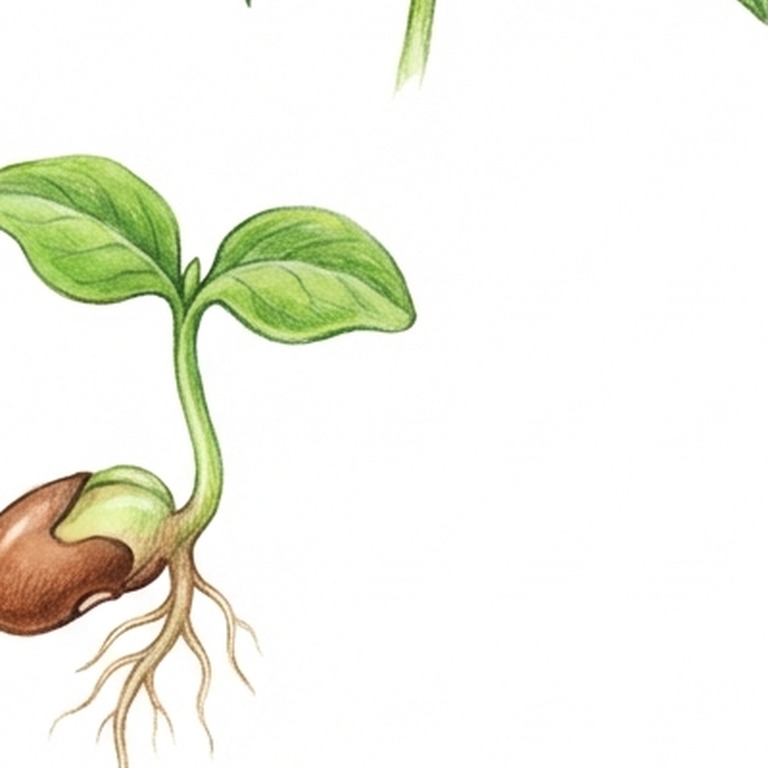
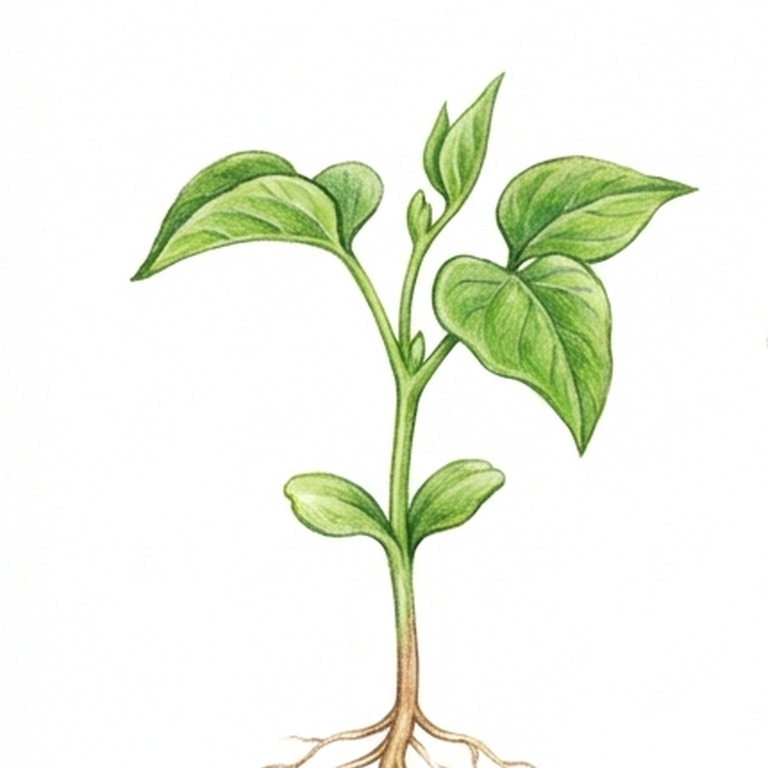
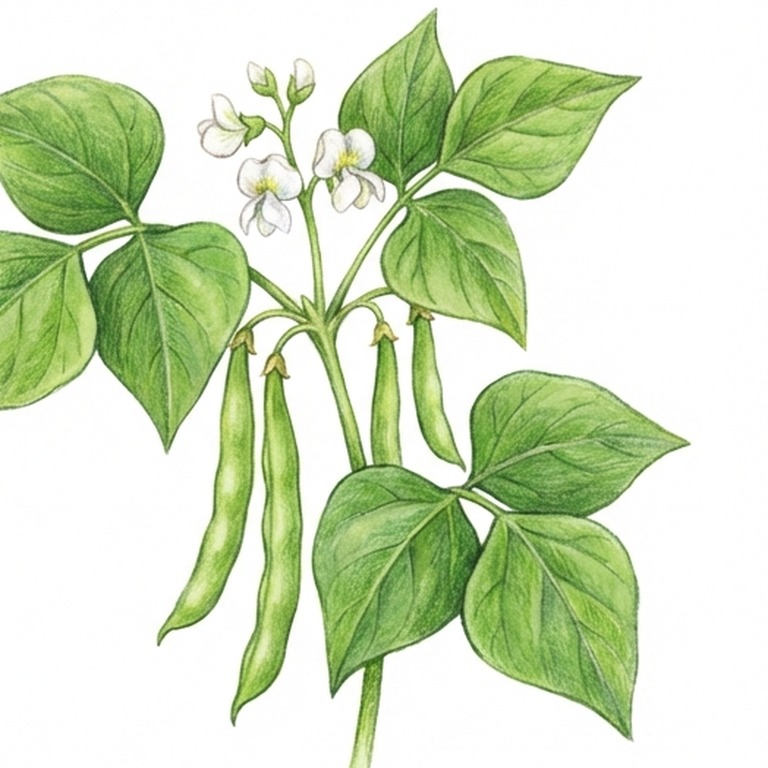
Watch one bean plant change through four visible stages. The images show the correct order from the beginning stage to a mature plant that can make new beans.
1. Bean
2. Seedling
3. Sapling
4. Mature plant
Birth→Growth→Reproduction→Death
Butterflies, frogs, bean plants, and humans all fit this pattern, even though their stage names and changes are different.
📋 NGSS Standard: 3-LS1-1 — Develop models to describe that organisms have unique and diverse life cycles but all have in common birth, growth, reproduction, and death.
🎯 Learning Objective
Students will compare several organisms, identify the big pattern all life cycles share, and build a model that uses one organism's stages as evidence for birth, growth, reproduction, and death.
💡 The Big Idea
Every living thing has a life cycle, but not every life cycle looks the same. A frog, a butterfly, a bean plant, and a human all move through different stages. Even so, they all share the same big pattern: they begin life, grow, reproduce, and eventually die.
🔬 The Science
Science Snapshot
Life cycles vary in detail, but they all track how living things grow and make more of their kind.
What is happening?
A life cycle is the sequence of stages an organism goes through as it grows, survives, and reproduces. Different organisms look different at each stage, but the big pattern is that living things begin, grow, and eventually make new offspring.
Why it works that way
Life cycles matter because they help scientists compare organisms and understand what each stage is for. Some stages are specialized for feeding, moving, dispersing, or reproducing, so the shape and behavior of the organism may change over time.
Look for this in the lesson
Students should focus on the repeating pattern, not just memorizing stage names. The science becomes deeper when they explain what changes and what stays part of the same cycle.
Ask while you read: How does this organism change across stages, and what big pattern stays the same?
🖼️ Compare These Life Cycles
Read each row from left to right. Notice what changes, and notice what stays the same about the big pattern.
🦋 Butterfly
Egg
→
Caterpillar
→
Chrysalis
→
Adult butterfly
This cycle shows metamorphosis: the caterpillar, chrysalis, and adult look very different from one another.
🐸 Frog
Eggs
→
Tadpole
→
Froglet
→
Adult frog
It begins in water. As the frog grows, legs develop and the tail becomes smaller.
🌱 Bean Plant
Bean
→
Seedling
→
Sapling
→
Mature plant
Plants have life cycles too. The mature plant makes flowers and seeds that start the pattern again.
👶 Human
Beginning of life
→
Growth
→
Can reproduce
→
A new life begins
The adult does not turn back into a baby. The cycle continues when adults reproduce and a new baby begins life.
🔍 Look for These Two Big Ideas
Some organisms go through dramatic changes, while others grow more gradually.
All organisms still follow the same broad pattern of birth, growth, reproduction, and death.
Adults produce offspring that start a new cycle — the same individual does not go backwards to the first stage.
📦 Materials
🏠 Gather These Items
Printed lesson pages and printable stage cards from this lesson
Scissors
Glue stick or tape
Pencil
Crayons or colored pencils
Optional: a nature book or device for looking at real life cycle photos
📄 Printables Included Here
Student Worksheet page
Printable stage-ordering cut-out cards for butterfly, frog, and bean plant life cycles
🔬 Let's Get Started
Today you'll compare several life cycles, sort stage cards, and then turn one ordered set into a science model that proves the organism follows the same big pattern as other living things.
Step 1 — Notice How Living Things Change (5–7 min)
Ask: "Do all living things stay the same from the beginning of life to the end?" Show a few quick examples: frog eggs and an adult frog, a bean seed and a mature bean plant, or a caterpillar and an adult butterfly. Explain that these changes are part of a life cycle.
Step 2 — Sort the Printable Stage Cards (8–10 min)
Cut out one organism set from the printable cards in this lesson. Have students place the cards in order for at least two organisms. Encourage them to explain why each stage comes next instead of just guessing.
Step 3 — Compare Two Life Cycles (8–10 min)
Pick two organisms to compare, such as a frog and a bean plant or a butterfly and a frog. Make a quick chart labeled Same and Different. Talk about whether the organisms hatch or sprout and whether their stages look dramatic or gradual.
🧠 Why build a model after sorting?
Putting cards in order shows that a student knows the sequence. A model goes one step further: it helps the student explain why this organism still fits the big life-cycle pattern.
Sorting answers: What comes first, next, and last?
Modeling answers: Where do we see birth, growth, reproduction, and death in this cycle?
Step 4 — Build an Explanatory Model (12–15 min)
Put the ordered cards aside. On the Student Worksheet, draw a new circular model for one organism. Add a small caption at every connection that explains what changes, such as “hatches and begins eating” or “grows legs and loses its tail.” Mark the adult stage where reproduction begins a new organism's cycle, and add “eventual death” beside the original organism's path. This model has a different purpose from card sequencing: it explains the changes and shows why the pattern repeats across generations.
Step 5 — Explain the Shared Pattern (5 min)
Have the student complete this sentence orally before writing: "My model shows the life cycle of a _____ . It is unique because _____, but it still shows birth, growth, reproduction, and death."
💬 Discussion Questions
🗣️ Question 1:
"Why is it called a cycle instead of just a list of stages?"
Look for answers like: It is called a cycle because when adults reproduce, new offspring begin the pattern again. The stages connect to the start of a new life.
🗣️ Question 2:
"How is a frog's life cycle different from a human's life cycle?"
They might say: A frog hatches from eggs and changes from a tadpole into an adult frog, while a human is born live and grows more gradually without metamorphosis.
🗣️ Question 3:
"What do all life cycles have in common, even when the stages look very different?"
Look for: All life cycles include a beginning of life, growth, reproduction, and death, even though the specific stages are different.
🗣️ Question 4:
"Why do scientists use models to study life cycles?"
They might say: A model helps us show the order of stages and explain the shared pattern clearly. It is useful when the whole life cycle takes too long to watch all at once.
🚀 Extensions
🦋 Life Cycle Match-Up: Mix up the printable cards from three different organisms and sort them back into the correct cycles.
📚 Read and Compare: Read a book or article about butterfly metamorphosis and compare it to a frog or bean plant life cycle.
📊 Fast vs. Slow: Research one organism with a very fast life cycle and one with a very slow life cycle. Which stages take the longest?
🌿 Observe a Real Organism: Start a plant journal and sketch how the plant changes over several weeks.
🎨 Make a Poster: Turn the worksheet model into a larger labeled poster for the wall.
👩🏫 Parent/Teacher Notes
Keep the focus on the standard: 3-LS1-1 is not just naming stages. Students should notice that life cycles are diverse but also share the same broad pattern.
Use the images first: Let students talk through what they notice in the pictures before you front-load lots of explanation.
Sorting and modeling are different jobs: sorting checks stage order; modeling asks the student to use that order as evidence for birth, growth, reproduction, and death.
Plants count too: Many students think of life cycles only in animals. Keep the bean plant example visible so students see that plants also have birth, growth, reproduction, and death.
Modeling matters: Clear arrows, labels, and stage-to-pattern connections are more important than artistic detail.
Cut out one printable card set and place the stages in order. Then draw or write each stage below.
Stage 1
Stage 2
Stage 3
Stage 4
Organism I chose: __________________________________________
2️⃣ Build Your Life Cycle Model
Put the cards aside and draw a new circular model. At each connection, explain what changes. Mark where the adult reproduces and starts a new organism's cycle. Add “eventual death” to the original organism's path. The purpose is to explain how and why the cycle continues, not to repeat the card order.
3️⃣ Same and Different
Compare two organisms. Write one way their life cycles are the same, one way they are different, and use your comparison as evidence that both still follow the same big pattern.
Organisms
How are they the same?
How are they different?
________________ and ________________
4️⃣ Show the Pattern
All life cycles include , , , and .
5️⃣ Explain Your Model
Use your model as evidence. What makes this organism's life cycle unique, and how does your model prove it still follows the same big pattern?
✂️ Printable Stage Cards — Cut Out and Sort
Print this page, cut on the dashed lines, and use one card per stage.
How to use these cards: Cut out one set at a time, mix the cards up, and ask the student to put them in order before building the model on the worksheet.
🦋 Butterfly Life Cycle Cards
Butterfly
Egg
Stage 1: The butterfly begins life inside an egg on a leaf.
Butterfly
Caterpillar / Larva
Stage 2: The larva eats and grows quickly.
Butterfly
Chrysalis / Pupa
Stage 3: The long, hanging chrysalis protects the pupa while its body changes.
Butterfly
Adult Butterfly
Stage 4: The adult can reproduce and lay eggs.
🐸 Frog Life Cycle Cards
Frog
Eggs
Stage 1: A frog starts life in eggs laid in water.
Frog
Tadpole
Stage 2: The tadpole lives in water and uses a tail to swim.
Frog
Froglet
Stage 3: Legs appear while the tail gets smaller.
Frog
Adult Frog
Stage 4: The adult frog can reproduce and lay new eggs.
✂️ Printable Stage Cards — Bean Plant Set
A plant set is included too, so students see that plants have life cycles just like animals.
Bean Plant
Bean
Stage 1: A new bean plant begins inside a bean.
Bean Plant
Seedling
Stage 2: The bean opens and a tiny seedling grows its first leaves.
Bean Plant
Sapling
Stage 3: The young plant grows a taller stem and more leaves.
Bean Plant
Mature Plant
Stage 4: The mature plant makes flowers and new beans.
🔑 PARENT ANSWER KEY — Detach before giving worksheet to students
1️⃣ Put a Life Cycle in Order — Sample Acceptable Answers
Bean plant: bean → seedling → sapling → mature plant with flowers and new beans
Human: baby → child → adult → adults have offspring, and a new baby begins the cycle again
Accept equivalent stage labels if the order is scientifically reasonable and the student shows the life cycle as a sequence.
2️⃣ Build Your Life Cycle Model — What the model should show
A strong model includes:
ordered stages + arrows + labels for birth, growth, reproduction, and death.
Why this is different from sorting:
Sorting shows the student knows the sequence. Modeling shows the student can use that sequence as evidence for the shared life-cycle pattern.
3️⃣ Same and Different — Sample Ideas
Same: Both organisms begin life, grow, reproduce, and die.
Different: One may hatch from an egg or go through metamorphosis, while another may be born live or grow more gradually.
Model response: “A frog and a human have different stage names, but both show birth, growth, reproduction, and death. That shared pattern is my evidence that both are life cycles.”
4️⃣ Show the Pattern — Accepted Answers
All life cycles include birth, growth, reproduction, and death.
Accept student-friendly wording such as being born, growing, having babies/offspring, and dying if the meaning is correct.
5️⃣ Explain Your Model — Sample acceptable answer
“My model shows a butterfly life cycle. It is unique because the butterfly changes a lot from caterpillar to chrysalis to adult, but it still follows the same big pattern because it begins life, grows, becomes an adult that can reproduce, and eventually dies.”
4️⃣ Discussion Question Answers
Why is it a cycle? Adults produce offspring, which begin the pattern again.
How is a frog different from a human? Frogs hatch from eggs and change from tadpoles to adults; humans are born live and change more gradually.
What do all life cycles have in common? They all include birth, growth, reproduction, and death.
Why use a model? Models help us show and explain the pattern of stages clearly.
✅ What Success Looks Like
Student can correctly sequence one organism's life cycle.
Student can use a model to identify birth, growth, reproduction, and death.
Student can compare two organisms and name at least one similarity and one difference.
Student uses the comparison as evidence that different-looking life cycles can still share the same overall pattern.
Student can explain that life cycles are diverse but share the same overall pattern.
🛠️ Troubleshooting / Teaching Notes
If a student thinks a life cycle is just a list, point back to reproduction and offspring starting the pattern again.
If a student says plants do not have life cycles, revisit seeds, sprouts, mature plants, flowers, and new seeds.
If a student only gives stage names, ask: “Where do you see birth, growth, reproduction, and death in your model?”
If a student mixes up different stages with different sizes, ask what important change happens at each stage.
🥼
This is a preview. Unlock the full lesson.
You're seeing a preview. Full-library access is not live yet. For now, browse the live store products and free sample lessons while the larger subscription offer stays in Coming Soon. Live now: free samples + Kitchen Chemistry.

 1. Bean
 2. Seedling
 3. Sapling
 4. Mature plant
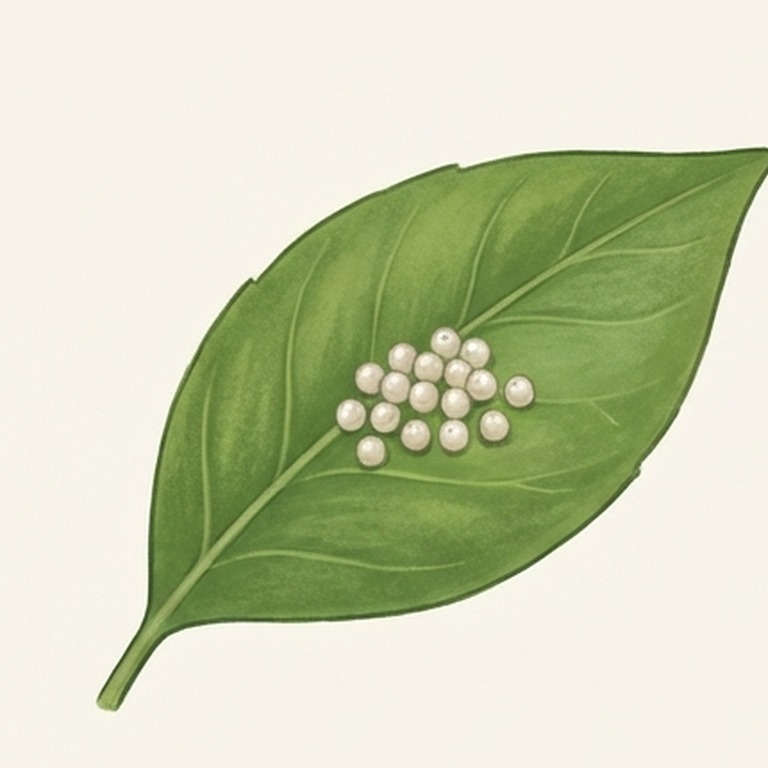 Egg
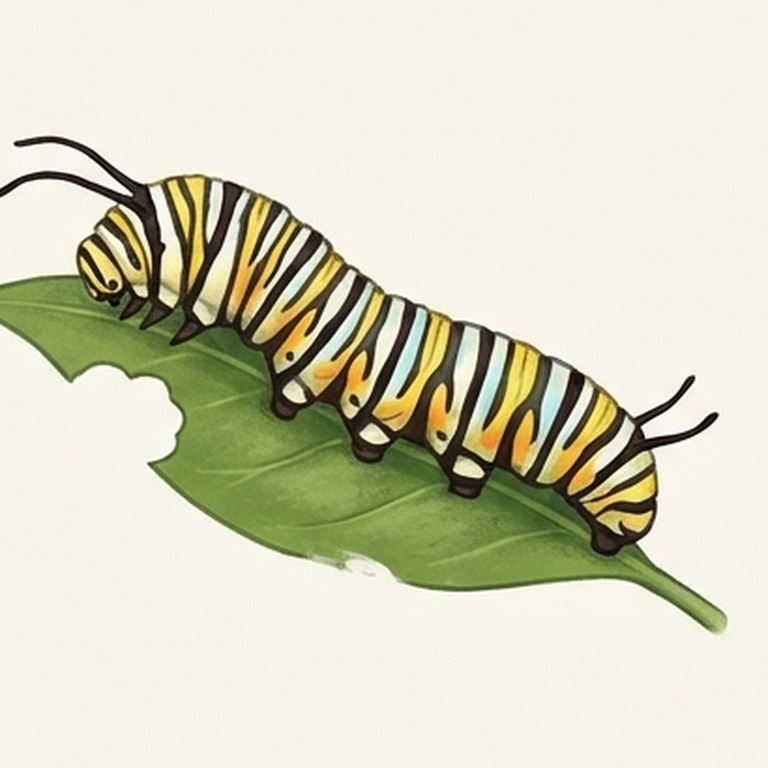 Caterpillar
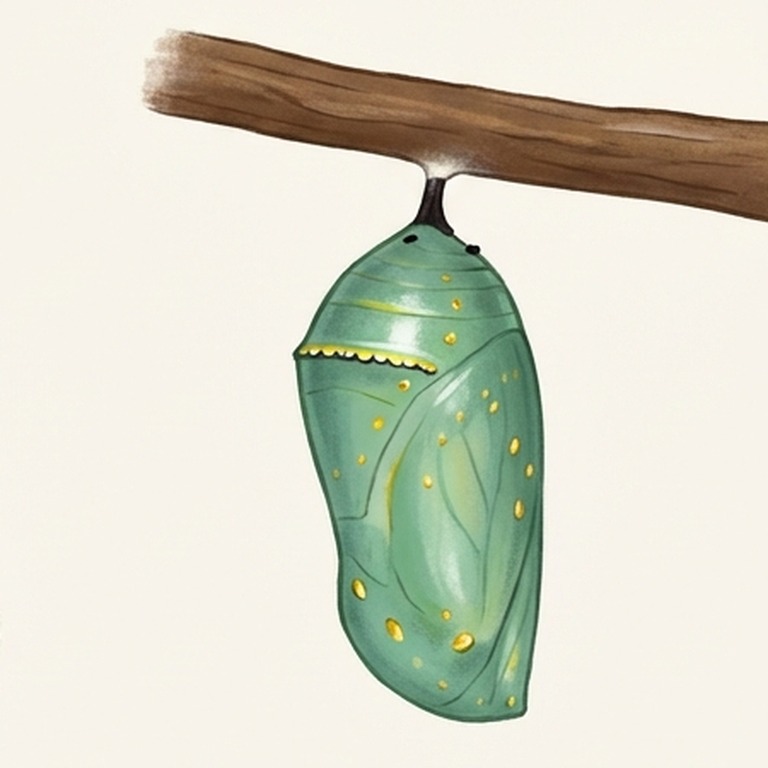 Chrysalis
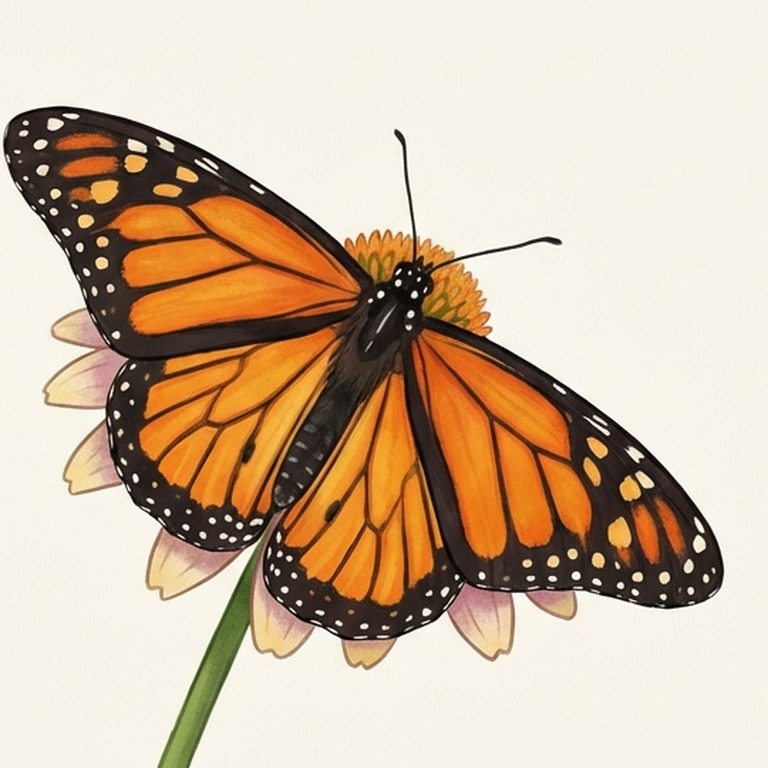 Adult butterfly
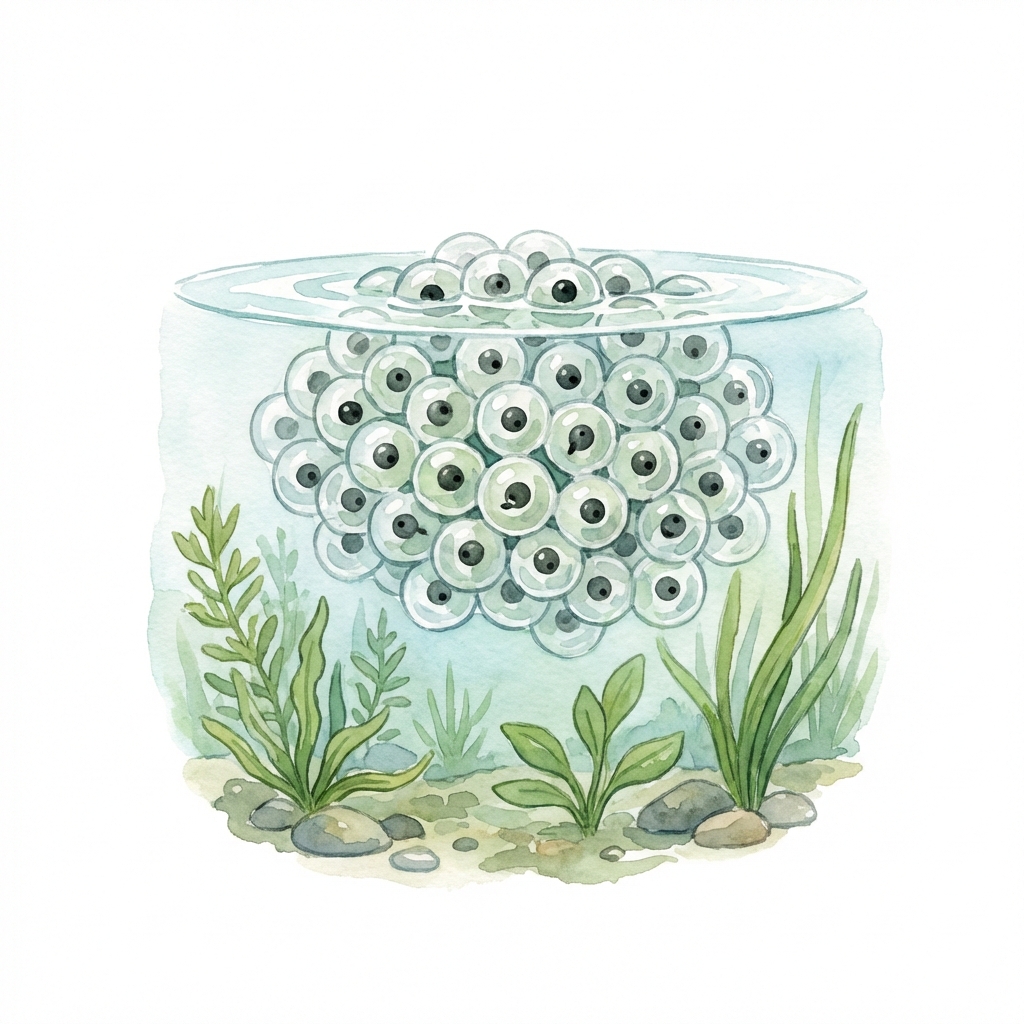 Eggs
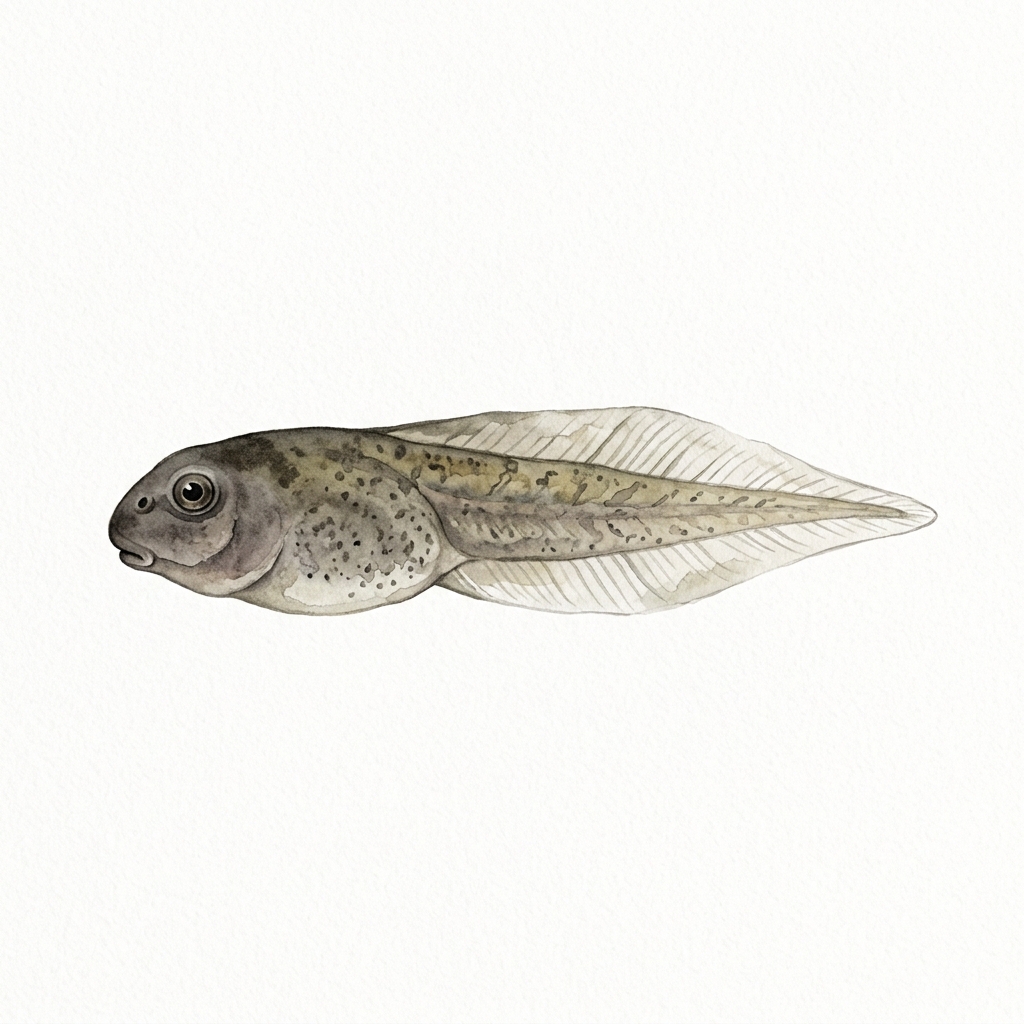 Tadpole
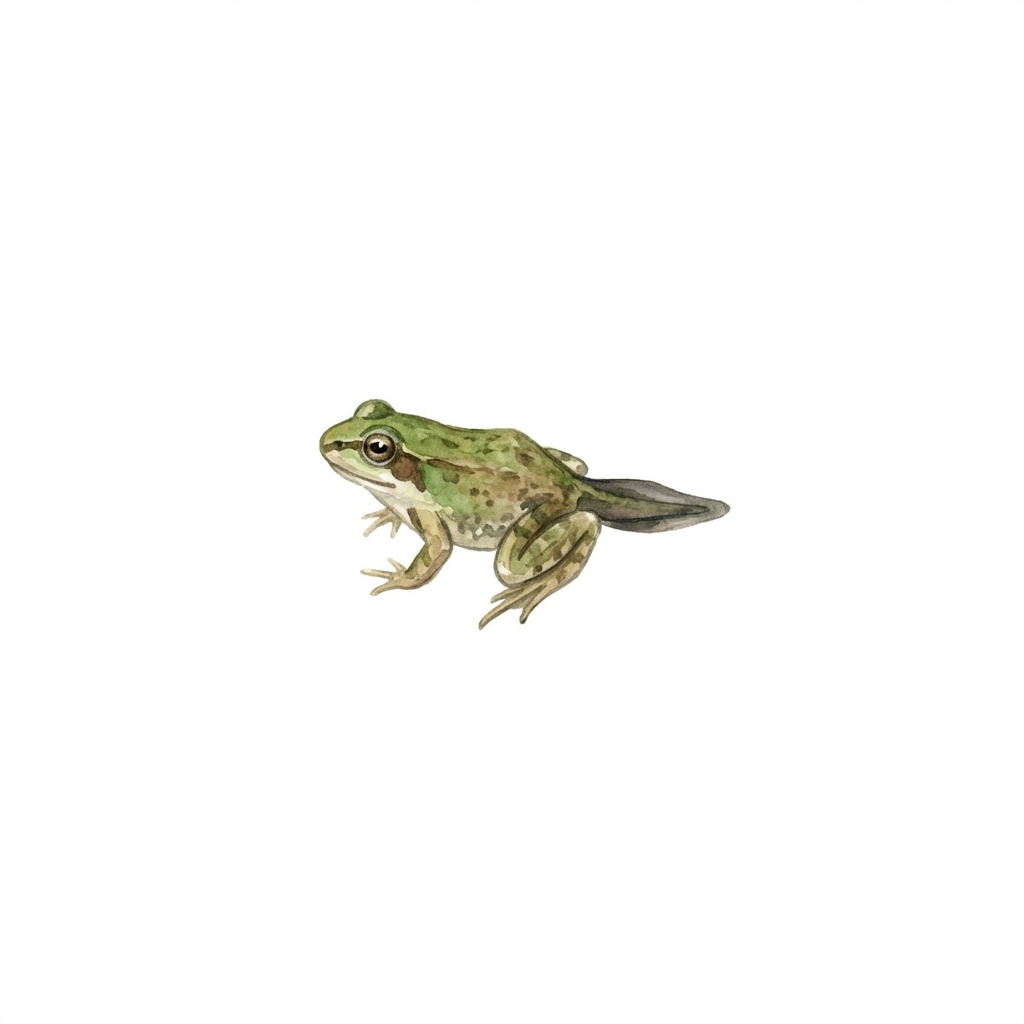 Froglet
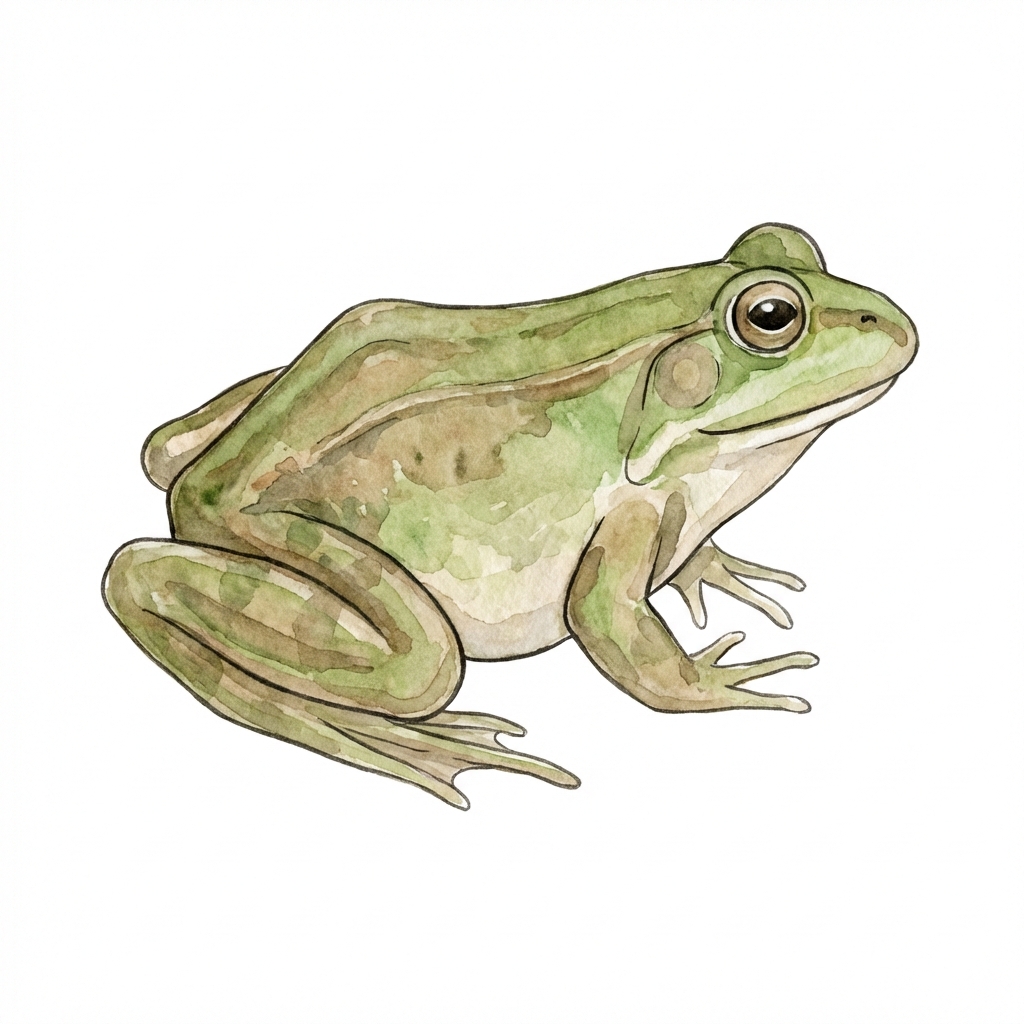 Adult frog