Climate describes the usual weather conditions in a place over a long time.
📋 NGSS Standard: 3-ESS2-1 — Obtain and combine information to describe climates in different regions of the world.
🎯 Learning Objective
Students will compare different climate regions and explain how climate is different from daily weather.
💡 The Big Idea
Weather tells us what it is like right now. Climate tells us the usual pattern of weather in a place over a long time.
🔬 The Science
Science Snapshot
Climate is the bigger long-term pattern that helps describe what a region is usually like.
What is happening?
Climate describes the usual weather conditions of a place over a long time. Different regions can have different typical temperatures, rainfall amounts, winds, and seasons because of location, elevation, and nearby water.
Why it works that way
Weather changes day to day, but climate is the longer-term pattern. That is why a hot day in a cool climate or a rainy day in a dry climate does not automatically change the climate classification.
Look for this in the lesson
Students should compare “today’s weather” with “what it is usually like here.” That distinction is the heart of understanding climate regions.
Ask while you read: How is climate different from today’s weather report?
Materials
🏠 Household Items to Gather
Printed lesson pages and worksheet
Pencil and colored pencils
The included climate cards on this lesson page
📋 Printables
Student Worksheet page from this lesson
Climate Cards for This Lesson section on this page
🌍 Climate Cards for This Lesson
Use these four climate cards during the region-comparison activity. Each card shows the usual conditions in that region over time, not just the weather on one day.
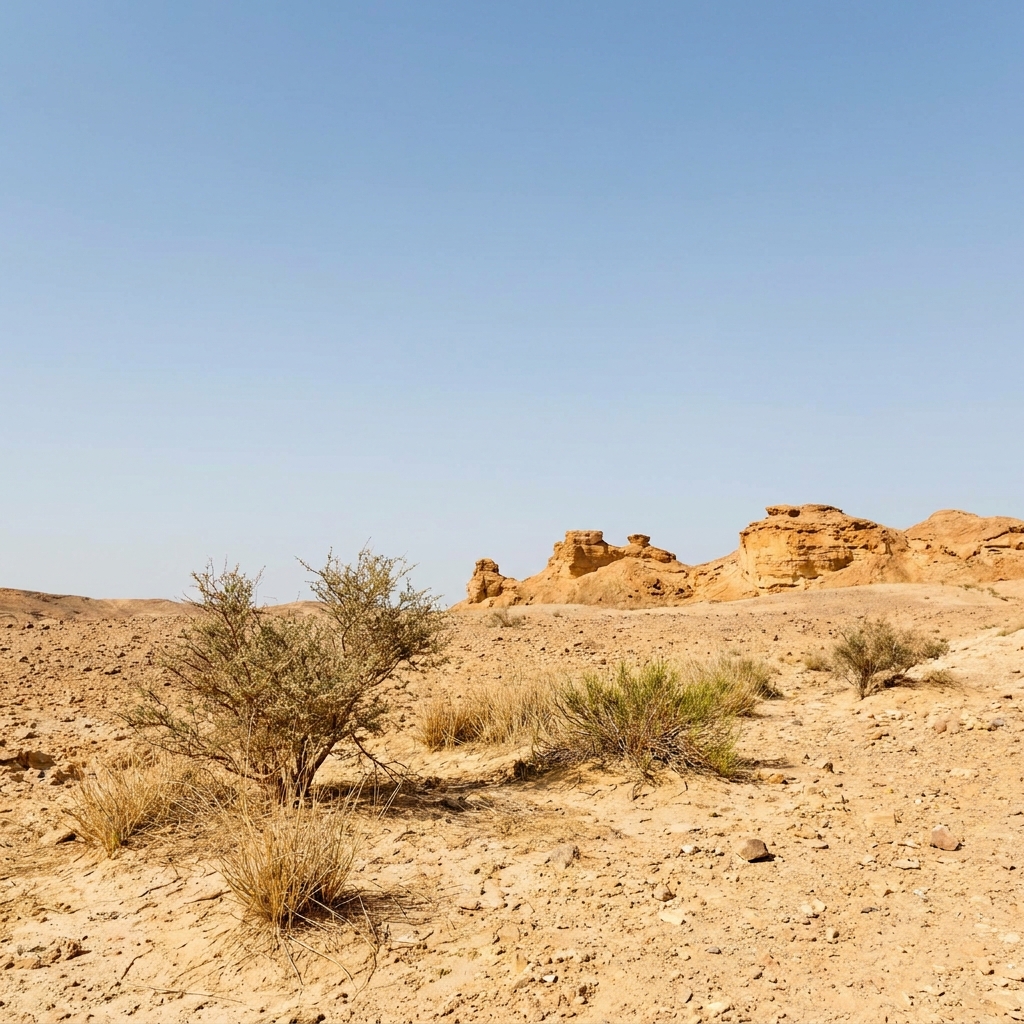
Desert
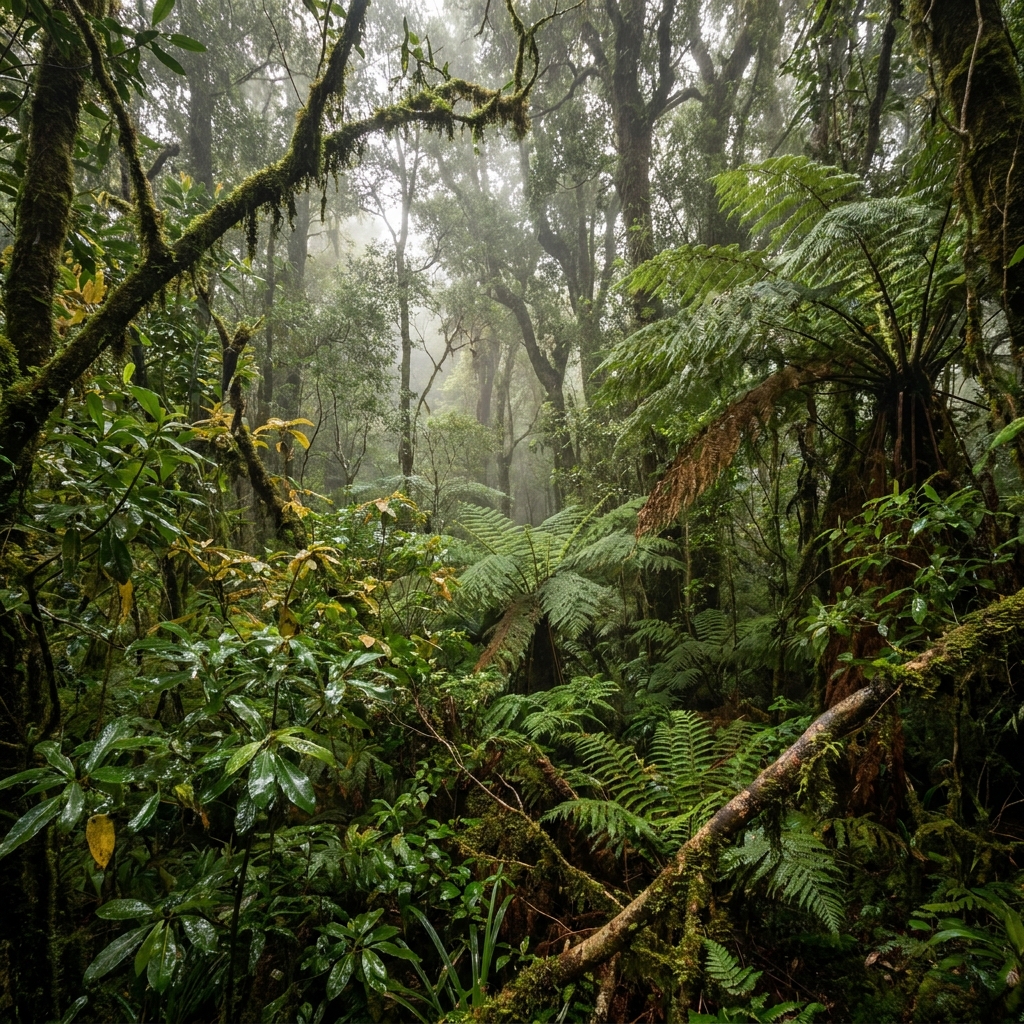
Rainforest
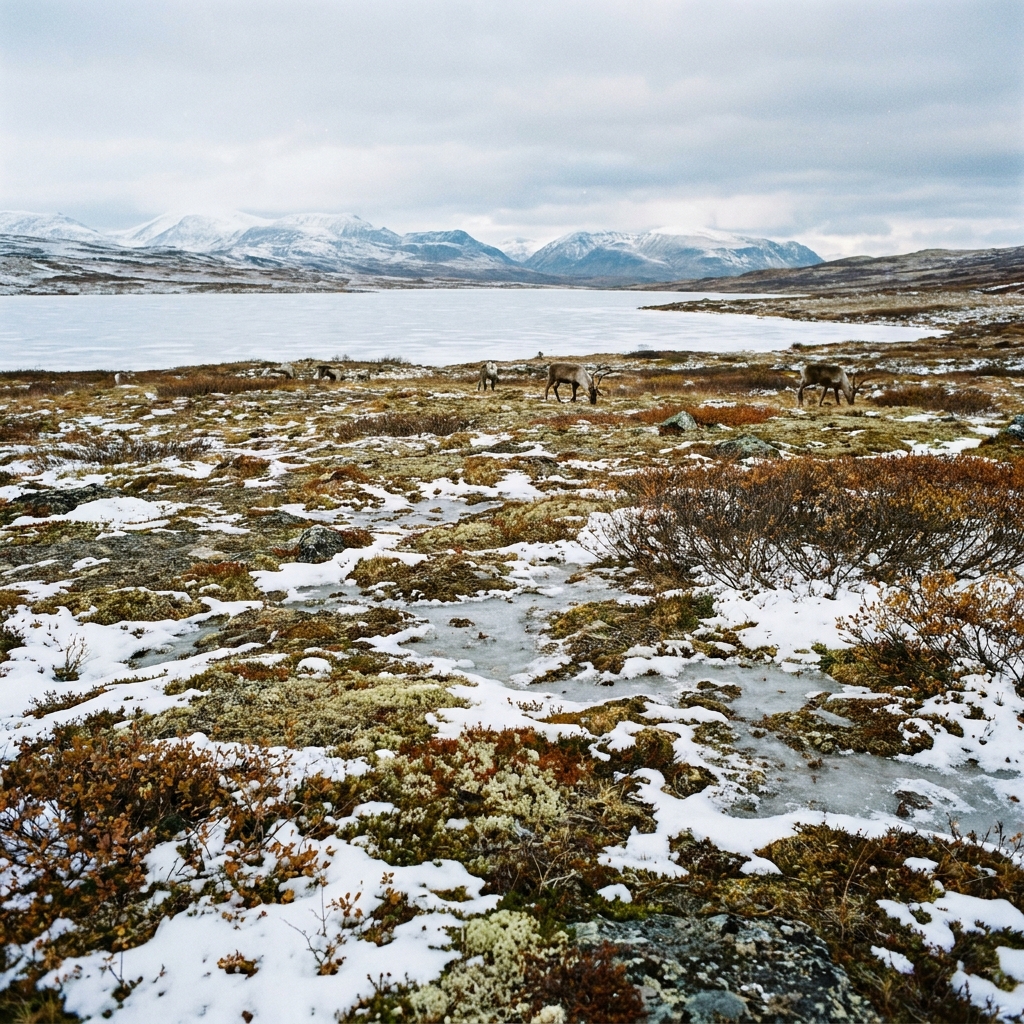
Tundra
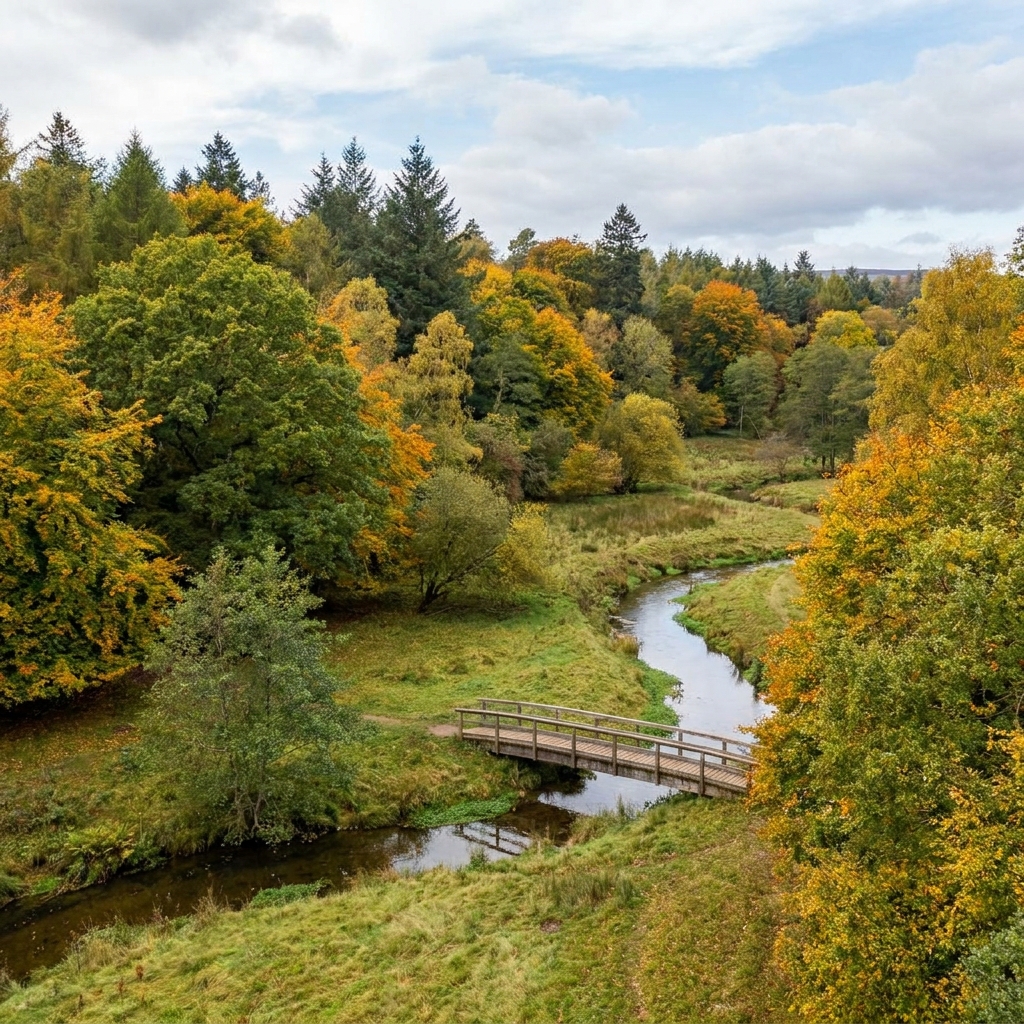
Temperate Region
☀️
Desert
Hot + Dry
Usual conditions A desert environment is usually very dry. Many deserts are hot during the day and get very little rain over time.
What you might expect
Dry sand or rocky ground
Very few puddles, streams, or wet places
Plants and animals that can live with little water
🌧️
Rainforest
Warm + Rainy
Usual conditions A rainforest environment is usually warm, wet, and rainy. It gets a lot of precipitation over time.
What you might expect
Lots of green plants and tall trees
Wet ground, puddles, or dripping leaves
Air that often feels damp or humid
❄️
Tundra
Very Cold
Usual conditions A tundra environment is usually very cold for much of the year. The ground can stay frozen, and there are very short growing seasons.
What you might expect
Snow, ice, or frozen ground
Very short grasses, mosses, or small plants
Animals with thick fur or other ways to stay warm
🍂
Temperate Region
Mild + Seasonal
Usual conditions A temperate environment usually has moderate temperatures and seasons. It is not extremely hot, extremely cold, or extremely dry all year.
What you might expect
Weather that changes with the seasons
Trees that may bloom in spring or lose leaves in fall
Rain or snow at different times of year
What to notice: Each card describes a long-term pattern. A single cold day in a temperate region or a rainy day in a desert does not change the climate by itself.
Let's Get Started
Step 1 — Review weather from Lesson 1 (5 min) Ask: “What could change tomorrow?” to remind students weather is short-term.
Step 2 — Introduce four climate regions (10 min) Use the included climate cards and real-life climate scenes on this lesson page to compare a hot dry desert, a rainy rainforest, a cold tundra, and a temperate region.
Make it hands-on: As you look at each region, have your child point and say what they notice first, like sand, puddles, snow, trees, cactus, or ice. Then ask, "Would this place usually feel hot, cold, wet, or dry?"
Quick clothing challenge: Give your child 25 seconds to find something around the house that would help in one climate. For example, a sun hat or sunscreen for the desert, an umbrella or rain boots for the rainforest, gloves or a scarf for the tundra, or a light sweater and sandals for a temperate region. Let them explain their choice, then applaud their creativity.
Step 3 — Compare regions on the worksheet (10 min) Go to Question 1 on the worksheet first. Use the included climate cards to fill in the chart about usual conditions and what your child might expect in each region.
Step 4 — Sort examples into weather or climate (10 min) Now move to Question 2 on the worksheet. Read each statement out loud and ask: "Is this happening right now, or is this something that is usual over time?" Use the climate cards to help teach the difference as you go.
Step 5 — Write a contrast statement (10 min) Students complete a sentence that clearly distinguishes weather from climate.
Discussion Questions
How is climate different from weather?Weather is short-term; climate is the usual long-term pattern.
Why can two places have different climates?Different regions have different usual temperatures and precipitation patterns, so the land, plants, animals, and clothing that fit those places can be different too.
Can a cold day happen in a warm climate?Yes, one day of weather does not change the whole climate.
Why do scientists use the word “usual” when talking about climate?Climate is about what is common over time, not one event.
Extensions
Extension: Choose one climate region and draw what clothing, plants, or homes might fit its usual conditions.
Another extension: Pick two climate regions and make a fast compare-and-contrast poster. Add one box for usual conditions, one box for plants and animals, and one box for what a person might wear in each place.
Parent/Teacher Notes
Teaching move: Keep repeating the contrast: weather = right now, climate = usual pattern over time.
Important misconception to catch: Students may think one rainy day means a place has a rainy climate. Bring them back to “usual over time.”
Use the included climate cards from this lesson page to fill in the chart.
Region
Usual Conditions
What might you expect there?
Desert
Rainforest
Tundra
Temperate Region
2️⃣ Weather or Climate?
Statement
Weather
Climate
It is raining today.
This place is usually hot and dry.
The winter here is often snowy.
The sky is cloudy this morning.
3️⃣ Explain the Difference
Complete the sentence: Weather is ________________________, but climate is ________________________.
🔑 PARENT ANSWER KEY — Detach before giving worksheet to students
1️⃣ Compare Climate Regions — Sample Acceptable Answers
Students should use the included climate cards from this lesson page as their evidence source.
Desert: usually hot and dry, with very little rain over time. Rainforest: usually warm and rainy. Tundra: usually very cold for much of the year. Temperate: moderate conditions with seasons.
2️⃣ Weather or Climate? — Answer Key
“It is raining today.” = weather. “This place is usually hot and dry.” = climate. “The winter here is often snowy.” = climate. “The sky is cloudy this morning.” = weather.
3️⃣ Explain the Difference — Sample Response
“Weather is what it is like right now, but climate is the usual weather pattern in a place over a long time.”
✅ What Success Looks Like
Student correctly distinguishes weather from climate.
Student uses the included climate cards to describe at least two climate regions accurately.
Student uses “usual” or “over time” language when explaining climate.
🛠️ Troubleshooting / Teaching Notes
If a student keeps naming one day’s weather, ask whether that statement would still be true most of the time on the included climate cards.
If a student gets stuck on the region chart, have them re-read the “Usual conditions” and “What you might expect” parts of the included climate cards.
If a student thinks climate never changes, remind them climate describes long-term patterns, not one frozen moment.
🥼
This is a preview. Unlock the full lesson.
You're seeing a preview. Full-library access is not live yet. For now, browse the live store products and free sample lessons while the larger subscription offer stays in Coming Soon. Live now: free samples + Kitchen Chemistry.