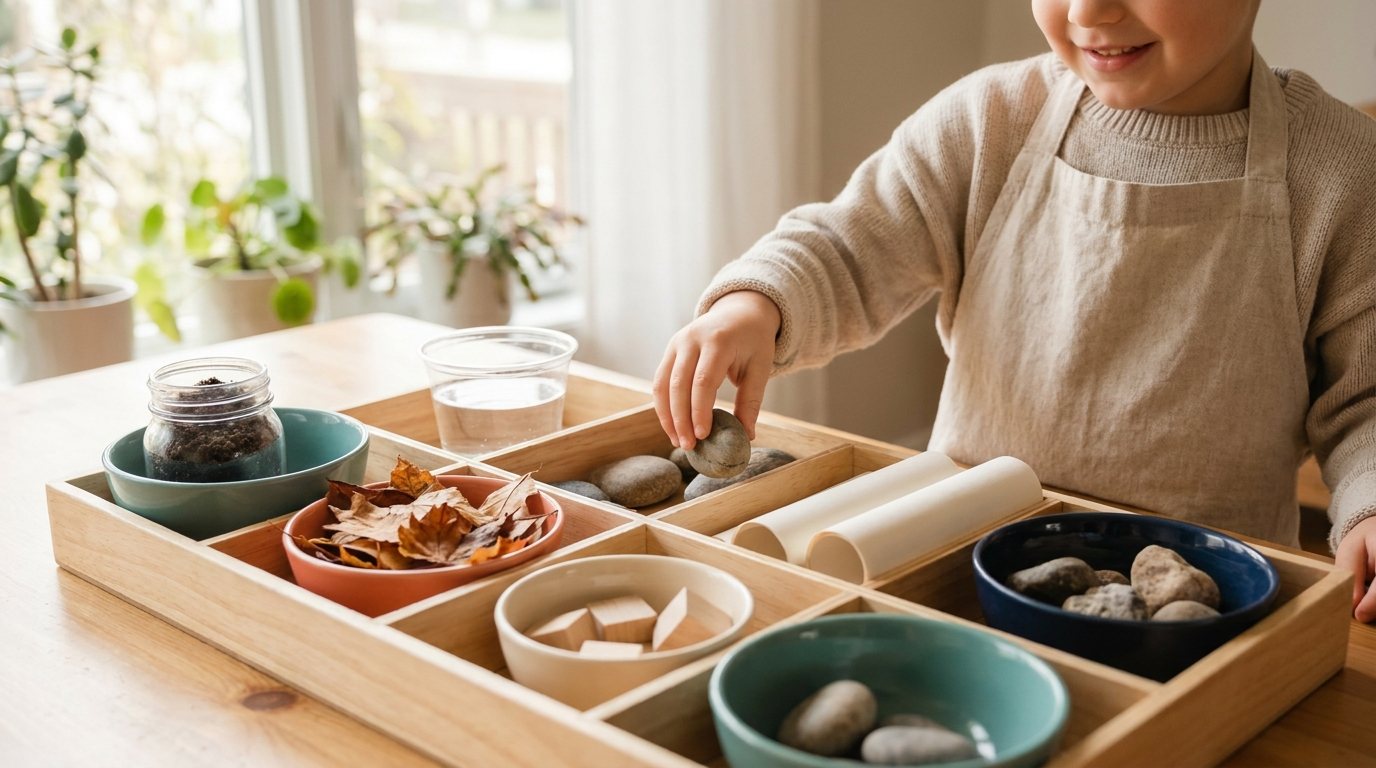
Free sample focus: Sort “Earth treasures” into land, water, air, and living-things groups, then choose one small helper action.
Showcase sample
Sort “Earth treasures” into land, water, air, and living-things groups, then choose one small helper action.
People use Earth materials every day, and small helper actions can protect the places living things need.
📋 NGSS Alignment: K-ESS3-3 — Communicate solutions that reduce human impact on land, water, air, or other living things.
🎯 Learning Objective
Students will sort everyday “Earth treasures” by source and choose one helper action that protects land, water, air, or living things.
💡 The Big Idea
People use Earth materials every day, and small helper actions can protect the places living things need.
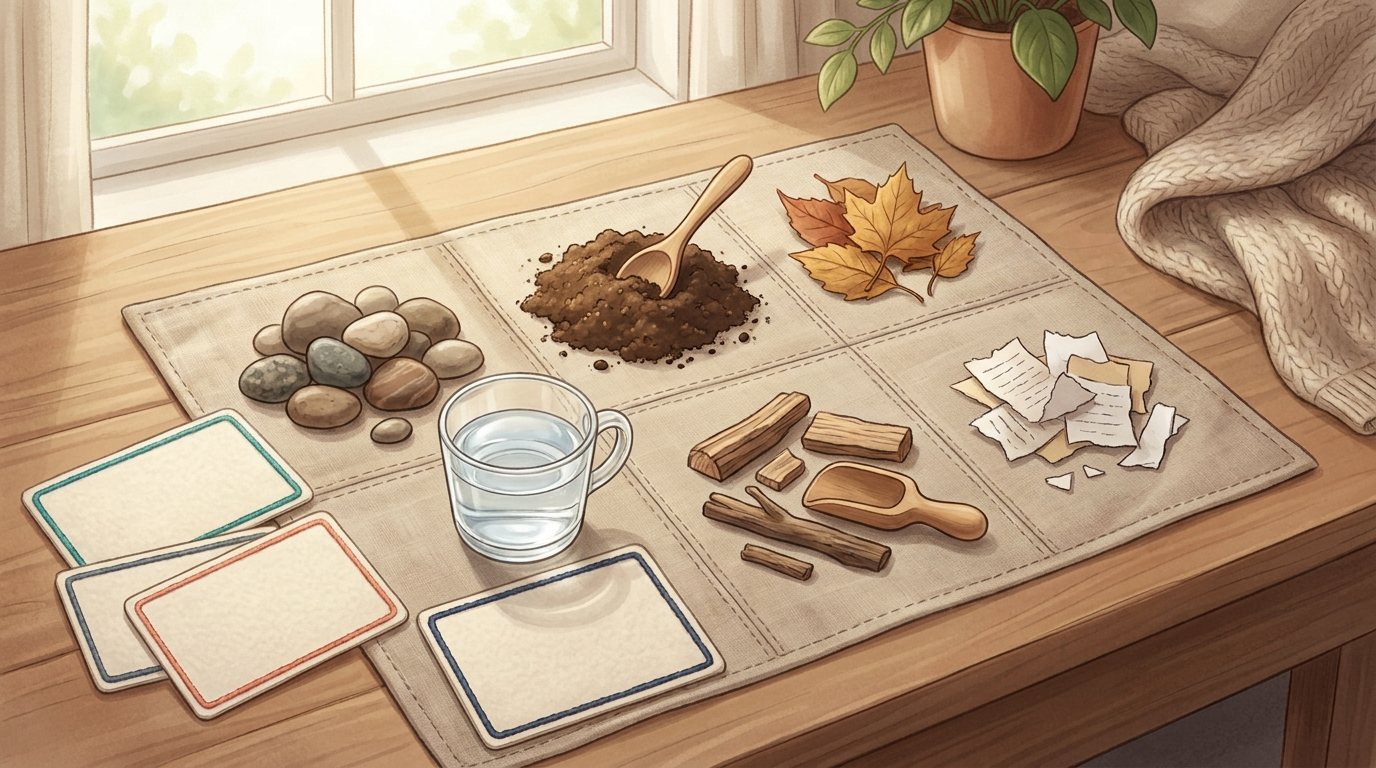
Earth-treasure sorting mat
The sorting visual helps children connect familiar objects to Earth systems and then choose a concrete care action.
Sort resources by source
Name how people use them
Choose a helper action
🔬 Key Vocabulary
Earthresourcewatersoilprotectreuse
📦 Materials
Small clean items or pictures: rock, leaf, cup of water, wooden spoon, paper
Sorting mat
Crayons
Worksheet
🧪 Investigation
Step 1 — Collect safe treasures Gather natural items or pictures that represent water, soil/rocks, plants, and air.
Step 2 — Sort by source Place each item under “from Earth” or “made by people using Earth materials.”
Step 3 — Pick a resource Choose one treasure and name how people use it.
Step 4 — Find a problem Ask what could happen if people waste or dirty that resource.
Step 5 — Choose a helper action Draw one action: save water, reuse paper, pick up litter, protect plants.
Step 6 — Share Student completes: “I can help Earth by ___.”
💬 Discussion Questions
Which item came from Earth?Use evidence from the activity in your answer.
How do people use this resource?Use evidence from the activity in your answer.
What is one helper action our family can do?Use evidence from the activity in your answer.
🚀 Extension
Try this next: Ask your child to repeat one part of the test tomorrow or with one changed material, then explain what stayed the same and what changed.
👩🏫 Parent/Teacher Notes
At-home win: This free sample is complete enough to teach today and polished enough to show how a full Little Lab Coats lesson feels.
Evidence move: Press students to point to a mark, drawing, comparison, or observation before they explain.
Family-friendly pacing: If attention is short, do steps 1–4 today and the worksheet discussion later.